

Hailey–Hailey disease (HHD), also known as benign familial pemphigus, is a rare genetic disorder with autosomal dominant inheritance caused by mutations in the ATP2C1 gene. It is characterized by recurrent vesiculobullous plaques in intertriginous areas, with frequent exacerbations triggered by friction, heat, or infections. Despite advances in understanding its molecular pathophysiology in recent years, no curative treatment is currently available. However, since life expectancy is not affected in patients with HHD, current therapeutic approaches focus on symptomatic control. HHD is associated with several comorbidities, including frequent secondary infections (especially Staphylococcus aureus), hyperhidrosis, contact dermatitis related to topical treatments, and psychological disturbances derived from sometimes disabling clinical signs.1,2
First-line therapies include topical corticosteroids and botulinum toxin, the latter having shown improvement by inducing chemodenervation of sweat glands. Second-line options include oral retinoids, dermabrasion, CO2 laser therapy, and low-dose naltrexone (1.5–10mg/day), although results with these strategies are variable and, in some cases, controversial.1 Recently, with the widespread use of biologic agents and other novel drugs, promising results have been reported for the treatment of HHD.1–4
In a recent article by Shanshan Li et al.,1 different cases of HHD treated with novel agents were reviewed. Most patients were treated with monotherapy. In general, these drugs act at 2 levels: blockade of circulating receptors or interleukins, and modulation of intracellular signaling pathways.
Among these therapies, the most frequently reported is apremilast, an oral phosphodiesterase-4 inhibitor whose mechanism of action leads to reduced levels of tumor necrosis factor (TNF)-α, interleukin (IL)-17, and IL-23.3 Eighteen cases treated with apremilast have been published, showing contradictory results: improvement was observed in 12 cases, no improvement in 5, and treatment discontinuation in 1 due to adverse effects. The agent with the 2nd highest level of evidence is dupilumab, an IL-4 and IL-13 inhibitor, with a total of 11 published cases, 10 of which showed significant dermatologic improvement (affected body surface area and quality of life measured using the Dermatology Life Quality Index [DLQI]).
The remaining evidence for new drugs is based on isolated case reports, typically involving a single patient per drug. These include the TNF-α inhibitors etanercept and adalimumab, which achieved significant improvement (affected surface area, DLQI) in one patient each. It has been postulated that their effect in HHD may be related to modulation of calcium homeostasis. In HHD, disruption of the ATP2C1 gene alters the epidermal calcium gradient, affecting keratinocyte differentiation and skin barrier integrity. Altered calcium concentration compromises the stability of adhesion proteins, promoting acantholysis. TNF-α, whose expression increases following epidermal barrier disruption, may further aggravate this process by increasing cytosolic calcium and perpetuating inflammation, suggesting a potential therapeutic role for anti–TNF agents in the disease. However, other case reports argue against a beneficial effect of these agents in HHD.5
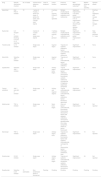
Of note, the inhibition of the Janus kinase (JAK) pathway has emerged as another potential mechanism of action in HHD. Two cases with effective outcomes have been reported using abrocitinib and upadacitinib, respectively. Furthermore, a favorable case has been described with topical ruxolitinib in a patient with partial response to dupilumab (combined therapy). The effect of these treatments may be attributed to their ability to inhibit the JAK–STAT pathway, thereby indirectly blocking other proinflammatory cytokines such as IL-4 and IL-13 (Table 1).
New drugs for the treatment of HHD.
| Drug | Specific mechanism of action | No. of cases | Clinical trial or reference study | Level of evidence* | Lesion location | Previous treatments | Main dermatologic outcomes** | Median follow-up time (months) | Adverse effects |
|---|---|---|---|---|---|---|---|---|---|
| Apremilast | Oral PDE-4 inhibitor | 18 | 1 series of 5 cases, 1 series of 4 cases, 2 series of 2 cases, and 5 single case reports | 4 | 9 axillary, 8 inguinal, 5 trunk; 5 not specified | Multiple (mostly topical corticosteroids, antibiotics, and naltrexone) | Significant improvement in 8 cases, partial improvement in 4, no improvement in 5; 1 case discontinued due to adverse effects | 8 | Diarrhea (4), dyspepsia and nausea (2), headache (1), myalgia (1) |
| Dupilumab | IL-4 receptor α inhibitor blocking IL-4 and IL-13 signaling | 11 | 2 series of 3 cases and 4 single case reports | 4 | 7 axillary, 7 trunk, 7 inguinal or perianal | Multiple (mostly topical corticosteroids, antibiotics, and naltrexone) | Significant improvement in 10 cases, partial improvement in 1 | 13 | New-onset psoriasis in 1 case |
| Tralokinumab | IL-13 inhibitor | 1 | Single case report | 4 | Inguinal region | Topical and systemic antibiotics, topical corticosteroids, systemic naltrexone | Significant improvement | 3 | None |
| Abrocitinib | Selective JAK-1 inhibitor | 1 | Single case report | 4 | Inguinal region | Topical and oral corticosteroids, topical antifungals, antibiotics | Significant improvement | 4 | None |
| Upadacitinib | Selective JAK-1 inhibitor | 1 | Single case report | 4 | Axillary region, trunk, thighs | Topical corticosteroids, topical antibiotics, minocycline, fluconazole, acitretin, naltrexone, cyclosporine A, dapsone, dupilumab, calcipotriol | Significant improvement | 4 | None |
| Topical ruxolitinib | JAK-1 and JAK-2 inhibitor | 1 | Single case report | 4 | Axillary and inguinal regions | Topical corticosteroids, intralesional corticosteroids, topical antibiotics, topical tacrolimus, apremilast | Significant improvement | 5 | None |
| Adalimumab | TNF-α inhibitor | 1 | Single case report | 4 | Neck, trunk, thighs | Oral and topical corticosteroids, fluconazole, itraconazole, doxycycline, topical and systemic antibiotics, minocycline, glycopyrrolate, zinc oxide, calcipotriol, vitamin D, topical fluorouracil | Significant improvement | 8 | Not reported |
| Etanercept | TNF-α inhibitor | 1 | Single case report | 4 | Axillary region, trunk | Topical and systemic antibiotics, fluconazole, topical and systemic corticosteroids, cyclosporine A, itraconazole, topical antifungal, isotretinoin, laser | Significant improvement | 15 | Not reported |
| Ocrelizumab | CD-20 inhibitor | 1 | Single case report | 4 | Axillary region, trunk, thighs | Topical and systemic corticosteroids, calcipotriol, systemic antibiotics, doxycycline, minocycline | Significant improvement | 24 | Not reported |
| Guselkumab | Selective IL-23 inhibitor | 10 (estimated) | Non-randomized phase II clinical trial | Pending | Pending | Pending | Pending | Pending | Pending |
Among other biologic treatments, satisfactory responses have been reported in single cases on tralokinumab,2 an IL-13 inhibitor, and ocrelizumab,4 a cluster of differentiation (CD) 20 inhibitor.
Finally, a non-randomized phase II clinical trial with guselkumab (NCT06651489), a selective IL-23 inhibitor, is currently underway and in the recruitment phase. The recruitment period will end in November 2025. All participants will receive 100mg of guselkumab at the FDA-approved dosing schedule for psoriasis and will be followed clinically at 4, 12, and 24 weeks after treatment initiation. A 12-week follow-up period after the final dose of guselkumab will be conducted to monitor safety.
In conclusion, new therapeutic options have emerged in recent years for a disease that has traditionally been considered orphan, particularly for refractory forms that significantly impair patients’ quality of life. Since most of the available data are derived from small case series, prospective studies and clinical trials are needed to strengthen the evidence base and support the approval of these agents for the treatment of HHD.