
Tildrakizumab is a humanized IgG1/κ monoclonal antibody that binds specifically to the p19 subunit of the cytokine interleukin-23 (IL-23), thereby inhibiting its interaction with the receptor. According to its product information, the recommended dose is 100mg by subcutaneous injection at weeks 0 and 4 and every 12 weeks thereafter; however, at the clinician's discretion, in patients with a high disease burden or in those weighing >90kg, a 200mg dose may be more effective.1
Tildrakizumab is the only IL-23p19 inhibitor that has approval for individualized, weight-adjusted dosing. Its introduction into our therapeutic arsenal was preceded by an evaluation of its tolerability and safety using a single 200mg/2mL subcutaneous injection.2 In that study, safety outcomes were similar to those obtained with 2 100mg/L injections, and most participants preferred the double dose because of easier administration.
In real-world clinical practice, only two studies have reported experience with the 200mg dose of tildrakizumab. Gargiulo et al.3 presented a 16-week retrospective multicenter study comparing both doses, including 134 patients treated with 200mg and 364 treated with 100mg. In the 200mg group, the mean patient weight was 91.09kg vs 79.95kg in the 100mg group. After 16 weeks, 57.5% of patients on 200mg achieved PASI 90 vs 34.3% in the 100mg group. Complete remission (PASI 100) was achieved by 39.6% of patients treated with 200mg vs 24.2% of those treated with 100mg. These results must be interpreted with caution due to the proximity to the weight threshold. We consider it necessary to re-evaluate the concept of disease burden in this context. Separately, Trovato4 studied 30 patients over 28 weeks with both doses and found significantly greater improvements in outcomes (WHO-5 and DLQI) among patients on the 200mg dose.
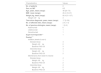
In our Psoriasis Unit, we assessed the safety and efficacy outcomes of 8 patients – whose characteristics are summarized in Table 1 – who at some point received the 200mg dose during six months of follow-up. These findings support the data published in the above-mentioned clinical trials and observational studies (Fig. 1). Four of the 8 patients began therapy at the standard dose and were subsequently escalated to the intensified dose due to either primary failure (failure to reach absolute PASI <3 at week 16) or secondary failure (loss of absolute PASI <3 after having achieved it). These 4 patients did not undergo dose escalation at the same follow-up visit.
Clinical characteristics and treatments received by patients in the unit.
| Characteristics | Values |
|---|---|
| No. of patients | 8 |
| Sex, no. M/F | 6/2 |
| Age, years, mean (range) | 48 (20–75) |
| BMI*, mean (range) | 26.4 (19–37) |
| Weight, kg, mean (range) | 80.4 (51–107) |
| Weight >90kg | 3 |
| Time since diagnosis, years, mean (range) | 17 (2–56) |
| No. of affected sites, mean (range) | 2.4 (1–4) |
| No. of previous biologics, mean (range) | 1 (0–2) |
| Adalimumab | 6 |
| Ustekinumab | 1 |
| Secukinumab | 1 |
| Super-nonresponder** | 1 |
| Dosing*** | |
| Initiation (weeks 0 and 4) | |
| Standard dose | 4 |
| Weight >90kg | 2 |
| Baseline PASI ≥8 | 3 |
| Intensified dose | 4 |
| Weight >90kg | 1 |
| Baseline PASI ≥8 | 2 |
| Maintenance (from week 4 onward) | |
| Standard dose | 4 |
| Weight >90kg | 1 |
| Baseline PASI ≥8 | 2 |
| Intensified dose | 4 |
| Weight >90kg | 2 |
| Baseline PASI ≥8 | 3 |

In response to the initial question, we believe that a window of opportunity is opening not only for weight-based dose adjustment but also for patients with higher disease burden – understood as a greater number of comorbidities, involvement of difficult-to-treat areas, unsatisfactory response to several lines of biologic therapy, and high emotional impact – provided that accessibility maintains the same price for both doses. It would be desirable to evaluate direct costs and work productivity in daily practice, although systematic assessment of these aspects is currently far from being a reality.5