
Symptomatic dermographism (SD), also known as factitious urticaria, is the most common form of inducible physical urticaria. It is characterized by pruritus and/or burning accompanied by a wheal that appears after rubbing, pressure, or scratching of the skin. Lesions resolve within less than 30min to 2h after cessation of the triggering stimulus.1 Mild forms (physiologic dermographism) affect approximately 2–5% of the population, may occur at any age, and have a mean disease duration of 3.6–6.9 years.2 Most studies, however, have evaluated disease progression in patients who were still symptomatic, rather than in those who had achieved remission. Therefore, the true mean duration is longer and, in some cases, spans decades.3 SD may occur in isolation or in association with other forms of urticaria and can significantly affect patients’ quality of life.4
Our aim was to determine whether there are distinct phenotypes that may improve our understanding of this disease and help guide future therapeutic strategies.
We conducted an observational study involving patients older than 14 years within our health care area whose clinical presentation and reason for consultation was SD, not associated with other forms of urticaria, and with a >6-month history of the disease.
Diagnosis was confirmed by applying pressure to the back or volar aspect of the forearm with a blunt object or using the Fric-Test instrument.4
The study included a complete blood count, ESR, biochemical profile, serum tryptase, CRP, TSH, and antithyroid antibodies. Furthermore, we performed skin prick testing with our allergen panel (mites Dermatophagoides pteronyssinus and Lepidoglyphus destructor, grass pollens, olive, cypress, plane tree, mugwort, salsola, parietaria, molds Alternaria and Aspergillus, Anisakis simplex, latex, peach LTP, and dog, cat, and horse epithelia). Histamine served as the positive control and saline as the negative control. The test was considered positive when a wheal>3mm appeared to any tested allergen with a negative control. Patients refrained from antihistamines for 1 week and corticosteroids for 10 days prior to testing.
Specific IgE (ImmunoCAP®) was measured for D. pteronyssinus and L. destructor. Sensitization to the remaining allergens was assessed via prick testing and clinical history.
We included a total of 145 patients—57 men and 88 women—with a mean age of 38 years (range, 14–86). No notable abnormalities were found in the blood count, biochemistry, CRP, or TSH. Serum tryptase was normal except in 1 patient (14.5μg/L). Only 9 patients had elevated antithyroid antibodies.
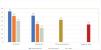
The results of prick testing, specific IgE, and the rest of the study are shown in Fig. 1.

Although the mean age and female predominance align with previously reported data, the low prevalence of antithyroid antibodies5,6 in our cohort may be explained by ethnic differences.
Atopy is more frequent in patients with chronic urticaria5 and SD.6 In our population, it accounted for >32% (Fig. 2), slightly lower than the ∼40% reported in former studies.7 The main sensitization in both chronic urticaria and SD involves mites, and only sensitization to D. pteronyssinus has been studied in these conditions.7–9 In contrast, sensitization to L. destructor—which in our study showed levels comparable to D. pteronyssinus in prick testing and slightly lower in specific IgE—has not previously been reported in SD. This finding confirms relevant mite sensitization in these patients, who also report other sensitizations.8 Mite sensitization has been attributed to increased exposure6; however, this does not align with our population, which is predominantly exposed and allergic to pollens.10 Thus, atopy and sensitization to Dermatophagoides and L. destructor appear characteristic of SD, though their pathogenic role remains unclear.

A small percentage of patients exhibited sensitization to allergens other than mites as the only finding, reinforcing the observation that atopy is more frequent among these patients. Conversely, nearly one third of the cohort had completely negative testing (Fig. 2), suggesting the existence of a distinct phenotype, although no explanation or references supporting this finding exist in the literature.
As summarized in Fig. 2, four phenotypes were identified in our cohort: (1) sensitized to mites, (2) sensitized to non-mite allergens, (3) sensitized to both groups, and (4) those with negative results.
In conclusion, SD in our population is characterized by sensitization to allergens—primarily mites—or by entirely negative testing.
Additional studies, however, are needed to confirm these findings and evaluate immunotherapy or other treatments as potential therapeutic options.
FundingNone declared.
Conflicts of interestNone declared.