Artificial intelligence (AI) has evolved from science fiction into a key tool in everyday life. In cosmetic dermatology, it has revolutionized skin assessment and the development of personalized treatments. Advanced algorithms enable the diagnosis of conditions, predict responses to laser therapies, and optimize dermocosmetic formulations. Mobile applications such as Skiana® and PROVEN Beauty® analyze the skin and recommend products, while clinical devices like VISIA® facilitate diagnosis. Machine learning and deep learning models enhance accuracy in detecting dermatological issues but still face challenges such as data biases and clinical validation. As AI advances, it promises to transform cosmetic dermatology with more efficient and personalized approaches.

Since the 20th century, the hypothesis has been proposed that machines could simulate human behaviour, not only in terms of intelligence but even in emotional processes.1 This concept has evolved rapidly over time and has been reflected in popular culture. Films from the early 2000s, such as A.I., Bicentennial Man, and I, Robot, portrayed a distant and almost esoteric future. However, within a span of 10–20 years, productions such as Ex Machina and Her began to depict a much closer future, increasingly similar to our present reality. Nevertheless, the portrayal of artificial intelligence (AI) in cinema does not always reflect contemporary reality.2,3
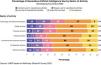
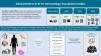
Currently, AI is already part of daily life. According to data from the United Nations Development Programme, in countries such as Colombia, AI is applied across multiple sectors (Fig. 1). Its implementation has enabled the automation of processes that previously required manual parameterisation, optimising tasks as diverse as traffic management and the synchronisation of traffic lights.4

During the 1950s and the two following decades, AI was limited to executing single commands. However, since the turn of the millennium, its complexity has increased substantially, enabling it to interpret and, eventually, learn from the data it processes.1
The use of AI spans multiple scientific fields, including medicine, where it promises revolutionary advances in areas such as novel drug development, diagnostic image interpretation, and even the performance of high-precision surgical procedures.5,6 In dermatology, AI has applications in dermoscopy and in the clinical assessment of immune-mediated diseases such as psoriasis and atopic dermatitis. Tools have even been developed to improve clinical dermatological diagnosis, such as bellePRO. Within cosmetic dermatology, AI facilitates patient follow-up, provides educational tools, and contributes to the optimisation of multiple therapeutic strategies.7,8
This article presents a review of the application of emerging AI technologies in the field of cosmetic dermatology.
MethodologyThe study was conducted by a primary reviewer and, in cases of uncertainty, validated by a second reviewer.
Search strategyA narrative review was conducted across three English-language databases (EMBASE, PubMed, and IEEE Xplore) and one Spanish-language database (LILACS) from January 2023 through June 2024, with the aim of identifying articles related to artificial intelligence and cosmetic dermatology. Search terms included combinations of: “artificial intelligence”, “AI”, “AI algorithm”, “deep learning”, “convolutional neural network”, “inteligencia artificial”, “IA”, and “redes neuronales”. In addition, specific cosmetic dermatology terms were used: “cosmetic dermatology”, “cosmetic”, “dermatology”, “dermatología cosmética”, and “dermatología”. Articles published in English and Spanish were included. A manual search was also performed to identify additional relevant articles, which were incorporated into the references.
Study selectionThe retrieved results were screened, and only studies evaluating the relationship between cosmetic dermatology and artificial intelligence were included. Publications addressing clinical or surgical dermatology in relation to AI were excluded. Review articles, letters to the editor, and clinical trials were selected, resulting in a total of 37 articles included in this review.
ResultsBasic concepts of artificial intelligenceBroadly speaking, AI can be classified into two main types: strong or “general” AI and weak AI. Strong AI refers to machines capable of performing multiple tasks, possessing ethical awareness, and even achieving a degree of consciousness, that is, a level of intelligence “similar” to that of humans. Although some applications of this type exist, it remains largely a concept associated with science fiction. By contrast, weak AI is trained to accomplish a specific objective, and therefore its programs are designed for concrete tasks. This is the type of AI most widely used today.9,10
Big DataBig Data refers to data sets that are too large or complex to be processed and analysed using conventional technologies. In this context, AI plays a crucial role by automating data processing and generating more efficient predictive models.10
Machine learningMachine learning is a method of developing AI in which the machine generates its own programming to perform a specific task. This requires “training” through data input and is classified into three modalities: supervised, unsupervised, and hybrid.
- •
Supervised: Each data input is assigned a corresponding output. Through trial and error, the system learns to predict the correct response.
- •
Unsupervised: Data are analysed without predefined outputs, which is useful for identifying patterns in large datasets.
- •
Hybrid: Combines both approaches, providing some labelled data and others unlabelled, thereby reducing the need for manual classification.9
In dermatology, the use of labelled data predominates, as most AI programmes rely on the analysis of medical images.10
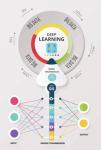
Deep learningDeep learning is a form of machine learning that employs multiple processing layers. In dermatology, the most widely used technique is artificial neural networks (ANNs). In these systems, each layer progressively receives and processes information, enabling the model to be trained to predict outcomes with increasing accuracy (Fig. 2).9

Overall, when the volume of data is small, machine learning provides better predictive performance. However, when data volumes become very large, deep learning surpasses machine learning in both accuracy and overall performance.11 Given that dermatology relies heavily on image analysis, the use of artificial neural networks represents the predominant methodology in this field.9
Artificial intelligence and cosmetic dermatologyApplications of AI have experienced remarkable growth in cosmetic dermatology, encompassing multiple areas of practice and optimising key clinical and industrial processes.
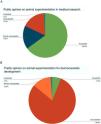
AI in dermocosmetic developmentTraditionally, the assessment of the sensitising potential of dermocosmetic substances has been conducted using animal studies, in which excipients and active ingredients are applied topically or intradermally to evaluate sensitivity reactions. However, these methods have been ethically challenged and show low public acceptance, which has led to increasing regulatory restrictions on their use (Fig. 3A and B).12

Alternatively, in vitro methods employing tissues or cells to assess antigenic stimulation have been developed. Although their equivalence to animal and human studies remains under debate, these tools require considerable resources. In this context, Kalicinska et al. developed an AI-based programme using historical epidemiological data, achieving sensitisation potential predictions comparable to in vitro studies, although limited by data bias.13
Over the past decade, multiple machine learning models have also been developed to predict whether a product exhibits sensitising or comedogenic potential.14–18 Given this trend, it is likely that future dermocosmetic evaluation will increasingly rely on in silico simulations rather than in vitro or in vivo testing.19
In addition, Yeh et al. designed AI systems capable of identifying drug combinations that may mitigate cutaneous ageing. Using genetic and molecular pathway mapping, three networks were constructed: one encompassing genetic and epigenetic mechanisms, a second analysing protein interactions, and a third compiling gene regulators. Based on these datasets, a neural network evaluated medications affecting key targets, identifying patient-specific combinations according to age. The predictive accuracy of the model reached 93%.20
AI in mobile and office-based applications for skin careSeveral mobile applications have incorporated AI into cosmetic dermatology. One example is Neutrogena® Skin360™, which uses smartphone cameras to evaluate hyperpigmentation, periorbital dark circles, rhytides, and skin texture, subsequently providing a score and recommending topical products to improve skin quality. Applications developed by dermatologists, independent of commercial laboratories, also exist, such as Skiana®, which evaluates tone, laxity, and dermatological conditions including rosacea, atopic dermatitis, acne, and contact dermatitis. However, availability remains limited in many countries.10
In the United States, PROVEN Beauty® employs a database known as the Beauty Genome Project, which integrates thousands of dermocosmetic products and ingredients, scientific publications, and millions of consumer reviews. Using this information, its AI model identifies the most suitable products for each patient. Users complete a questionnaire that generates highly personalised recommendations, allowing for up to 527 possible product combinations. Each recommended product generally contains multiple active ingredients (Fig. 4).10,21

Liu et al. proposed an even more individualised system for skincare recommendations based on individual genotype. This approach involves genetic analysis combined with extensive genetic databases and AI modelling to design personalised skincare routines. Although environmental factors are not considered, this represents a highly selective therapeutic model.22
Office-based AI devices include the VISIA Skin Analysis System, which evaluates eight skin characteristics: photodamage, rhytides, texture, pores, erythema, porphyrins, overall pigmentation, and brown spots. Using polarised and UV light, the system generates patient-specific treatment regimens, assists with clinical follow-up, and enhances patient education.21
Home-use devices such as the Opté Precision Skincare System analyse the skin via an integrated camera to detect hyperpigmentation and automatically apply tinted serum with niacinamide to camouflage melasma, lentigines, and similar lesions. Despite its high cost and lengthy application process, home-based AI skin evaluation continues to gain popularity.21
Furthermore, AI underpins advanced platforms such as Alluring, which allows real-time analysis of skin and scalp condition, evaluates treatment effectiveness, and provides personalised recommendations based on continuous feedback.19,23
Regarding medical imaging, multiple AI models have been developed, including high-frequency ultrasound analysis assisted by AI to identify anatomical site, skin disease, tissue integrity, ageing status, and hydration level.24 Additional models evaluate skin barrier function using photography,25 skin thickness via ultrasound,26 and skin type from images.27 While these tools independently enhance dermocosmetic product selection, future integration may offer even more comprehensive and objective cosmetic dermatology assessments.19
AI in cosmetic proceduresAI models have been trained to predict patient response to excimer laser therapy in vitiligo, suggesting that similar models could forecast the effectiveness of laser treatments for acne scars, dyschromia, and vascular disorders.21 Indeed, models capable of predicting laser treatment response in patients with ephelides have already been implemented.28 Three-dimensional modelling has further enabled prediction of cosmetic procedure outcomes, particularly for dermal fillers, allowing patients to visualise potential results prior to treatment.29 Shah et al. demonstrated the generation of post-rejuvenation 3D facial images using multilayer neural networks. These models created three-dimensional facial scans to identify optimal filler injection landmarks and predict precise filler volumes, achieving 62.5% accuracy – surpassing previously available techniques.30
Predictive modelling also facilitates automation of device parameters in procedures such as radiofrequency and microneedling, allowing real-time adjustment based on pigmentation, texture, curvature, and other skin characteristics, thereby reducing manual configuration time.21
AI in patient education and follow-upMoreover, AI has been implemented as an educational tool. Shi et al. developed an AI-based application, “Skincare Mirror”, which predicts post-treatment skin appearance following product use, providing personalised visualisation of expected outcomes. This system significantly improved user engagement and satisfaction, particularly among male participants.31
Risks of artificial intelligence use in cosmetic dermatologyThe risks associated with the use of AI in cosmetic dermatology require careful consideration. One of the most concerning issues is the potential loss of clinical judgement, as increasing automation of diagnosis and treatment could discourage continuous medical education and critical thinking among professionals. This may compromise the quality of care and reduce clinicians’ ability to manage atypical cases or complex decision-making. Furthermore, inappropriate or unsupervised use of AI systems may jeopardise patient safety, particularly in sensitive medical decisions. Another major risk lies in the subjectivity of aesthetic concepts such as beauty and skin quality, which may lead to inappropriate, unethical, or culturally biased recommendations.32
Limitations of artificial intelligence in cosmetic dermatologyThe principal limitations of AI in cosmetic dermatology relate to the quality and representativeness of training datasets. Many algorithms are developed using datasets that are small, low quality, or insufficiently diverse, limiting their generalisability in clinical practice.33 Moreover, current AI models lack continuous learning mechanisms comparable to the cumulative experience of human clinicians. AI also struggles with image interpretation in anatomically complex areas such as the scalp, mucosal surfaces, and regions affected by tattoos or makeup, thereby restricting its applicability in real-world scenarios.34 Finally, the absence of standardised criteria for measuring aesthetic attributes hinders the development of accurate and personalised algorithms.35,36
Regulatory and implementation barriers in cosmetic dermatologyFrom a regulatory perspective, the application of AI in dermatology faces a notable absence of specific legal and ethical frameworks. Medical liability in cases of algorithmic error remains unresolved, with uncertainty regarding whether responsibility should fall on the clinician, the developer, the institution, or the software provider when AI fails in diagnosis or treatment. In addition, robust international standards for the evaluation, validation, and integration of AI systems into medical practice are lacking. Technical challenges include limited platform interoperability, difficulties integrating AI into electronic health record systems, and the requirement for advanced hardware. The growing threat of cyberattacks further compromises data privacy and integrity. Substantial investment in infrastructure, training, and institutional support is therefore essential to ensure safe and effective adoption.32,37
Existing gaps in AI implementation in cosmetic dermatologyA significant gap exists between AI research conducted in controlled environments and its applicability in daily clinical practice. Most AI developments rely on retrospective studies involving limited or biased populations, without proper validation in real-world clinical settings. This creates a disconnect between the theoretical potential of AI and its practical utility for healthcare professionals. Furthermore, social health inequalities may be exacerbated if AI systems are trained on non-representative datasets. The exclusion of vulnerable populations, ethnic minorities, and diverse skin phototypes can lead to less accurate diagnoses and suboptimal treatment recommendations for these groups. Inclusive and representative model design and validation are therefore critical. Additionally, many clinicians either lack sufficient training in AI usage or remain sceptical of its reliability, further widening the gap between innovation and implementation.37
DiscussionAI has emerged as a transformative tool in cosmetic dermatology, driving advances in image analysis, dermocosmetic development, and personalised treatment planning. Its application has enhanced diagnostic accuracy and optimised the identification of skin conditions and therapeutic strategies.
The development of ANN-based algorithms has proven particularly valuable in medical image evaluation, surpassing traditional methods in efficiency and objectivity. Models applied to high-frequency ultrasound analysis and laser treatment response prediction have opened new avenues for individualized medicine.
Within the cosmetic industry, AI has revolutionised product development and personalisation. Systems such as PROVEN Beauty® integrate genetic and environmental data to formulate customised skincare routines. Similarly, both clinical and home-based devices, including VISIA® and Opté®, have improved skin assessment and treatment monitoring, allowing for more precise product recommendations.
Nevertheless, challenges persist, including data bias, the need for rigorous clinical validation, and unequal access to these technologies across regions. As AI continues to evolve, its integration into cosmetic dermatology holds substantial promise for improving diagnosis, prevention, and treatment of skin disorders, ultimately transforming clinical practice through a more precise and evidence-based approach.
ConclusionsThe concept of balance is fundamental: AI is not intended to replace human expertise, but rather to complement it. In cosmetic dermatology – where professional judgement is essential – AI functions as a supportive tool, enhancing efficiency without replacing the specialist's role. Its integration can transform consultations, improve treatment planning, facilitate progress monitoring, and strengthen patient education. Ultimately, this synergy is expected to drive significant advances in the field of cosmetic dermatology.
Conflict of interestThe authors declare no conflict of interest.